5 Signs Your Bathroom Grout Needs Epoxy Regrouting
Grout is the weakest point in any tiled bathroom. Tiles can last decades, but the cement joints between them absorb water, collect soap residue and discolour within a few years. In Singapore's humidity, the decline is fast.
Most homeowners wait far too long, scrubbing joints for hours before finally accepting that cleaning will not fix the problem. Here are the five signs that it is time to regrout, and what epoxy grouting can do about it.
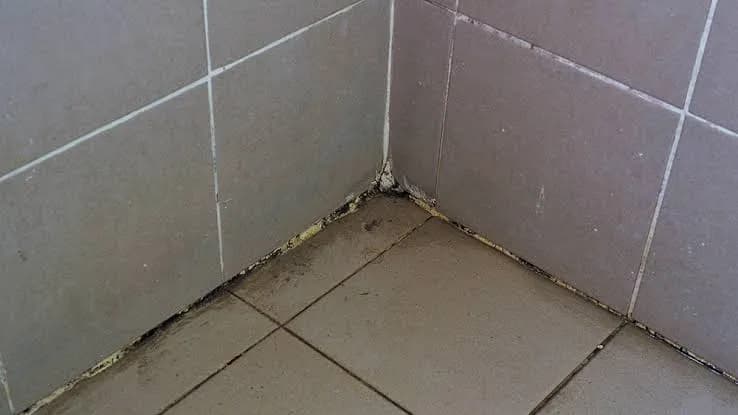
Sign 1: Grout That Stays Black After Scrubbing
If you have scrubbed with a brush and strong cleaner and the joints are still dark, the discolouration has gone deeper than the surface. Cement grout is porous, and once dirt and mould establish themselves inside the joint, no amount of surface cleaning will remove them.
Persistent blackening is usually the first clear signal that regrouting is due.
Sign 2: Recurring Mould and Mildew
Mould that returns within days or weeks of cleaning indicates an ongoing moisture source, and porous grout is almost always part of it. Silicone seals and grout lines both trap moisture in bathrooms with limited ventilation.
Epoxy grout is non-porous, so it removes the damp surface that mould thrives on. The joints still need occasional wiping, but the cycle of regrowth breaks.
Sign 3: Crumbling, Cracked or Missing Grout
Run your finger along a few joints. If grout comes away as powder, or you can see gaps and cracks, water is already getting behind the tiles.
This is a structural warning. Missing grout allows water into the substrate, which can lead to damp patches on adjoining walls, loose tiles and, in serious cases, damage to the unit below.
Sign 4: Water Seeping Behind the Tiles
Watch for these indicators:
Damp or discoloured patches on walls next to the bathroom.
Tiles that sound hollow when tapped.
Grout that darkens and stays dark long after a shower.
Peeling paint on the opposite side of a bathroom wall.
A musty smell that does not go away with ventilation.
If any of these appear, stop delaying. Regrouting is far cheaper than repairing water damage.
Sign 5: Grout That Feels Soft or Sticky
Healthy grout is hard. Soft or sticky joints suggest the grout has broken down chemically, often from repeated exposure to harsh cleaning products or years of moisture. Soft grout must be removed and replaced, not cleaned.
What to Do Next
Stop heavy scrubbing. It widens joints and drives mould deeper.
Improve ventilation. Use the exhaust fan during and after showers.
Get a professional assessment. A contractor can confirm whether the tiles and substrate are sound.
Choose epoxy grouting. For bathrooms, it is the practical long-term solution.
Seal corners with silicone. Movement joints should remain flexible, not rigid.
How Much Does Regrouting Cost in Singapore?
Area | Typical Scope | Indicative Duration |
|---|---|---|
Bathroom | Grout removal plus epoxy on floor and walls | 1 to 2 days |
Kitchen | Floor and backsplash regrouting | 1 to 2 days |
Living area | Large-format floor tiles | 1 to 2 days |
Silicone sealing | Corners and shower joints | Same day add-on |
Final pricing depends on tile size, joint width, total area and how much old grout must be removed.
Frequently Asked Questions
Can I just paint over black grout?
Grout pens and paint sit on the surface and flake within months in wet areas. They also trap moisture underneath, which makes the underlying problem worse.
How long does epoxy grouting last?
With normal cleaning, eight to ten years or more. Abrasive cleaners and harsh scrubbing pads should be avoided to protect the surface.
Can regrouting be done without removing the tiles?
Yes, in most cases. Regrouting involves removing the old grout, not the tiles, provided the tiles are sound and well bonded.
How soon can I shower after regrouting?
Usually after 24 to 48 hours, depending on the product. Confirm the curing window with your contractor.
Book a Bathroom Grout Assessment
Asrafi Renovation Pte Ltd provides bathroom, kitchen and living area epoxy grouting across Singapore, including grout removal, mould treatment and silicone sealing.
Call or WhatsApp +65 8464 2371 or visit 101 KITCHENER ROAD, #03-04A, JALAN BESAR PLAZA, SINGAPORE 208511. Open daily, 9am to 10pm.
Found this helpful? Share it.